

House M.D. (Made Difficult).
Building an animation workshop for The Gunner School

Last week I was lucky enough to give a virtual workshop at the Gunner School.
I was excited to do it, as I’ve been a huge fan of Gunner since I was in College. I’ve also had the opportunity to collaborate with Gunner and Hobbes in their capacity as the in-house Duolingo crew. If you’ve used Duolingo recently, you might see some of my work in there.
But enough about that. Today, I’ll take you through a short animation that I built for my workshop. This loop helped me demonstrate the varying levels of hand-drawn effects one can achieve in animation; from simple digital facsimiles of analog aesthetics, to the fully printed and “difficult” approach. Let’s get into it:
Channeling a Bygone Mo-Graph Era
This might get a bit “back in my day,” despite not having much of a day to go back to (I’m 29), but I really miss the 2016-2019 era of motion graphics (mo-graph for short). Yes that’s a small window of time, but I remember this era for its thick-line icons, memphis revival (ish) flatness, mono line weight cel animation, and elegant UI motion design.
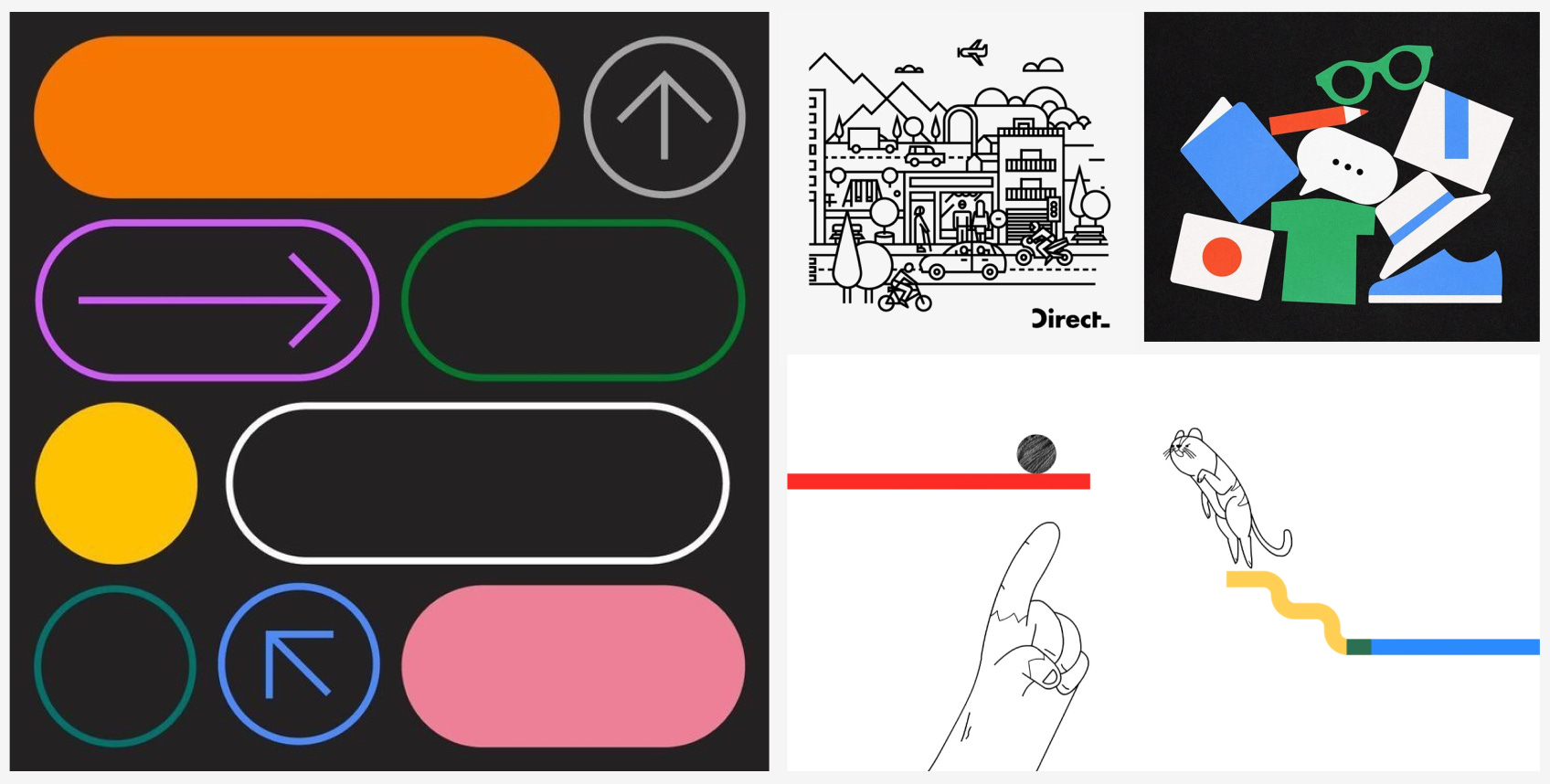
I fell in love with the world of mo-graph through this specific blending of graphic design and motion. I wanted to channel that aesthetic in my workshop in an effort to impart that early mo-graph excitement to the attendees.
I started simple, with a thick-line house icon. Similar to a 2D element you might find in a early Gunner brand video.
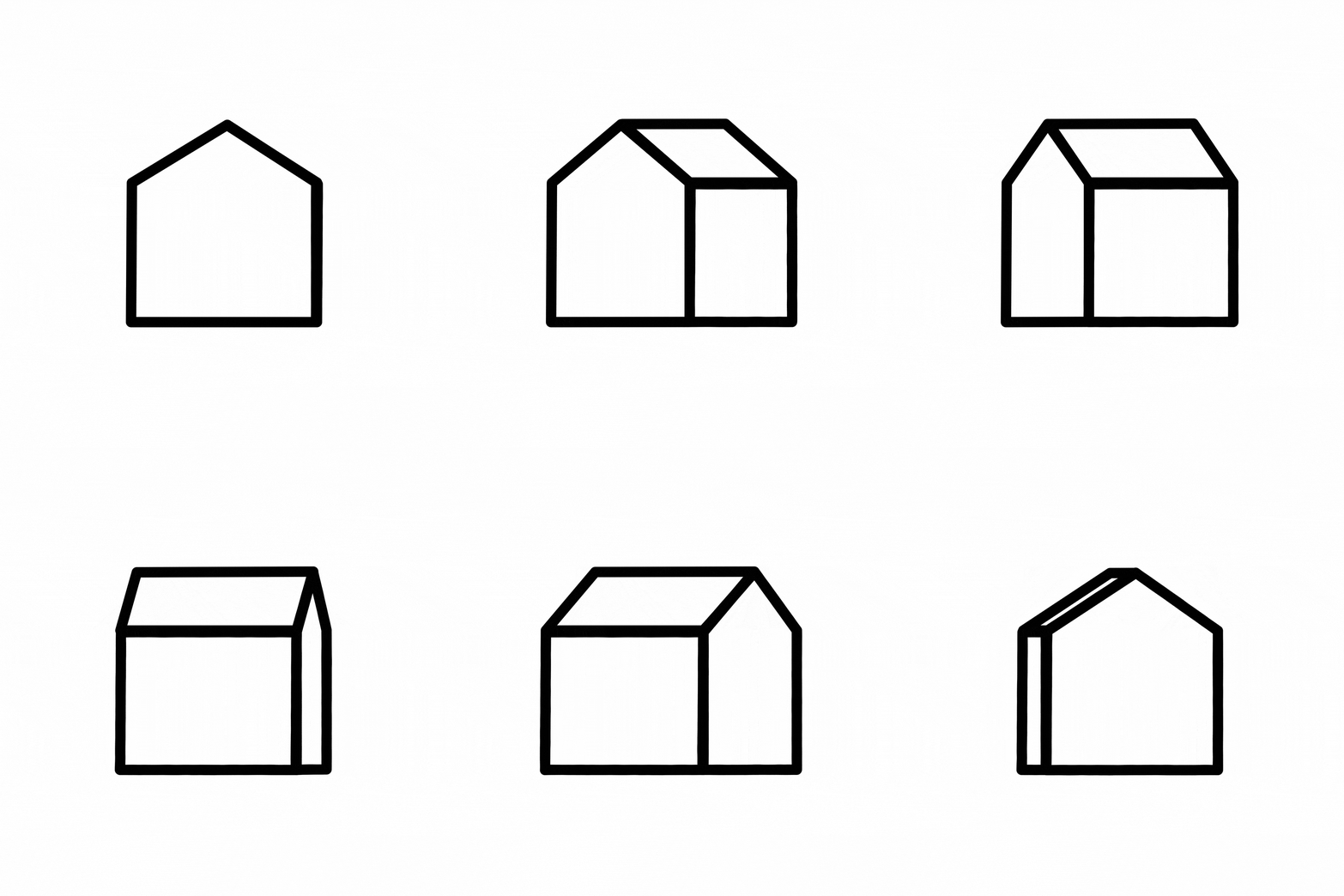
While building this loop in After Effects, I used simple path animation and slapped an adjustment layer on top with a posterize time effect set to 8 frames per second (apologies to the non-mo-graph folks for the jargon). That’s all to say I made the house rotate in a choppy way.
There’s Levels To This
Inky House
The first “level” of hand-drawn effects I presented was an inky hand-drawn look. I demonstrated the “simple: way: Stacking a lot of After Effects effects on an effects layer in After Effects (new vocal warm-up?)
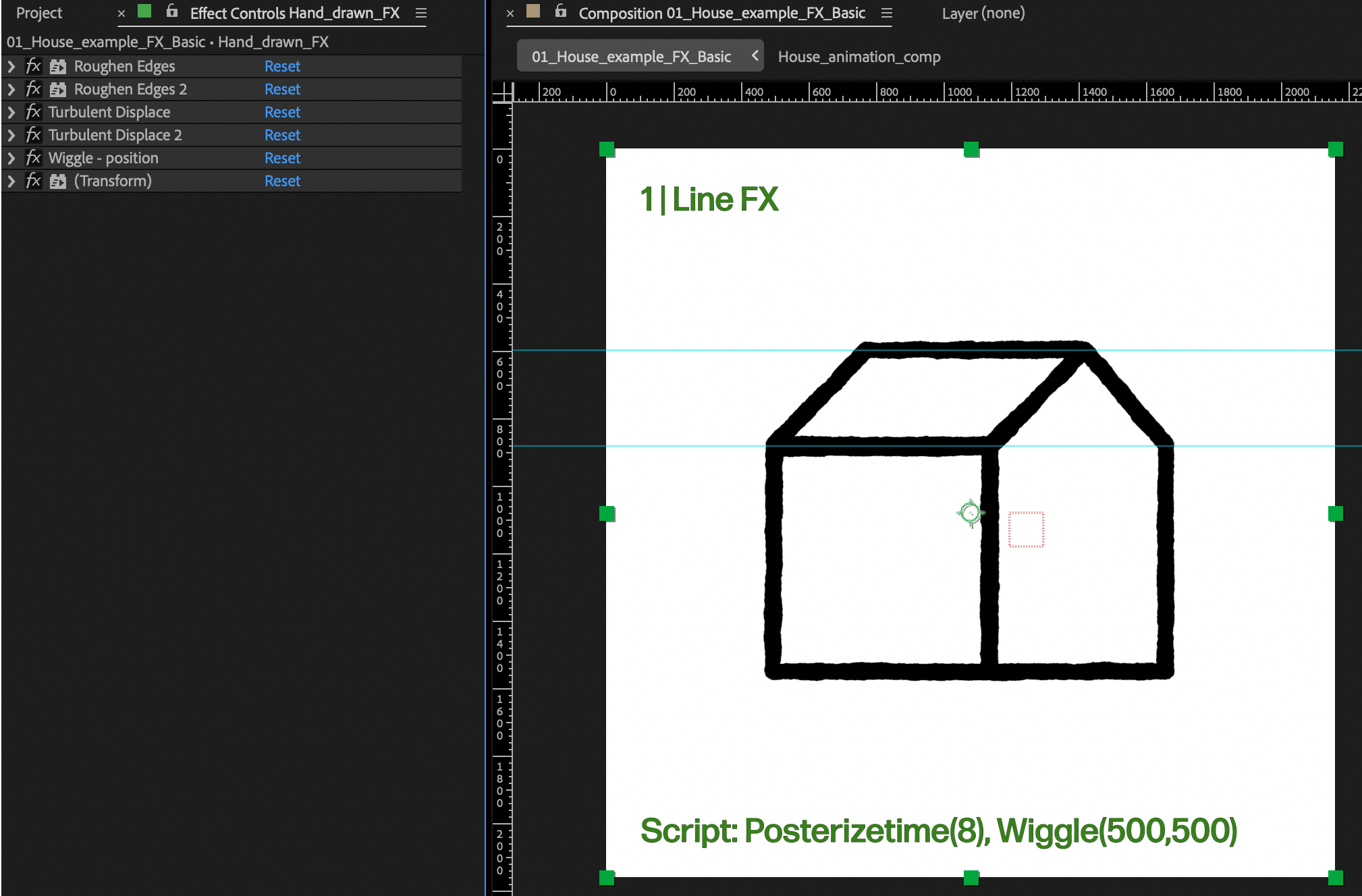
If you understand this screenshot, wonderful. If not, but you’re curious about using After Effects, Ben Marriott’s youtube channel is a great place to start.
After stacking these effects, I ended up with a choppy inky animation. Awesome.
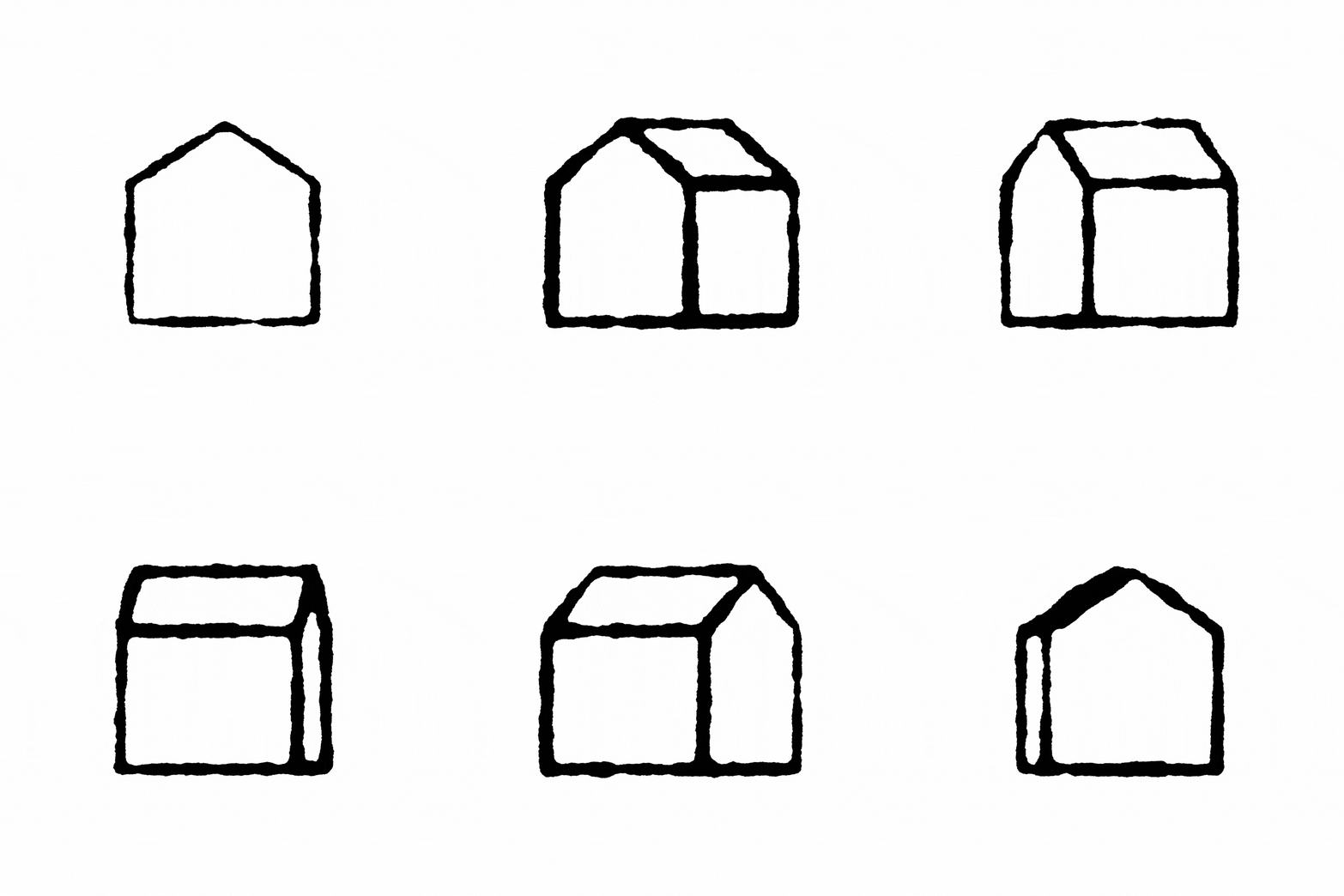
Fake Printy-House
The second level I presented was a “mis-registered,” look. In printmaking, when you print multiple color layers on one piece of paper, those color layers don’t always line up or “register.” Some people embrace that look and others do whatever they can to avoid it. In the mo-graph world, we often try to simulate this effect digitally; giving our animations a tactile quality despite our digital tools.
To do this, I added two main things to our inky house:
I imported a paper texture to animate and overlay on top of our loop, rotating it every 3 frames.
I duplicated the house animation, making the duplicate underneath white. I then added a “wiggle” effect to that white layer would peak through here and there.
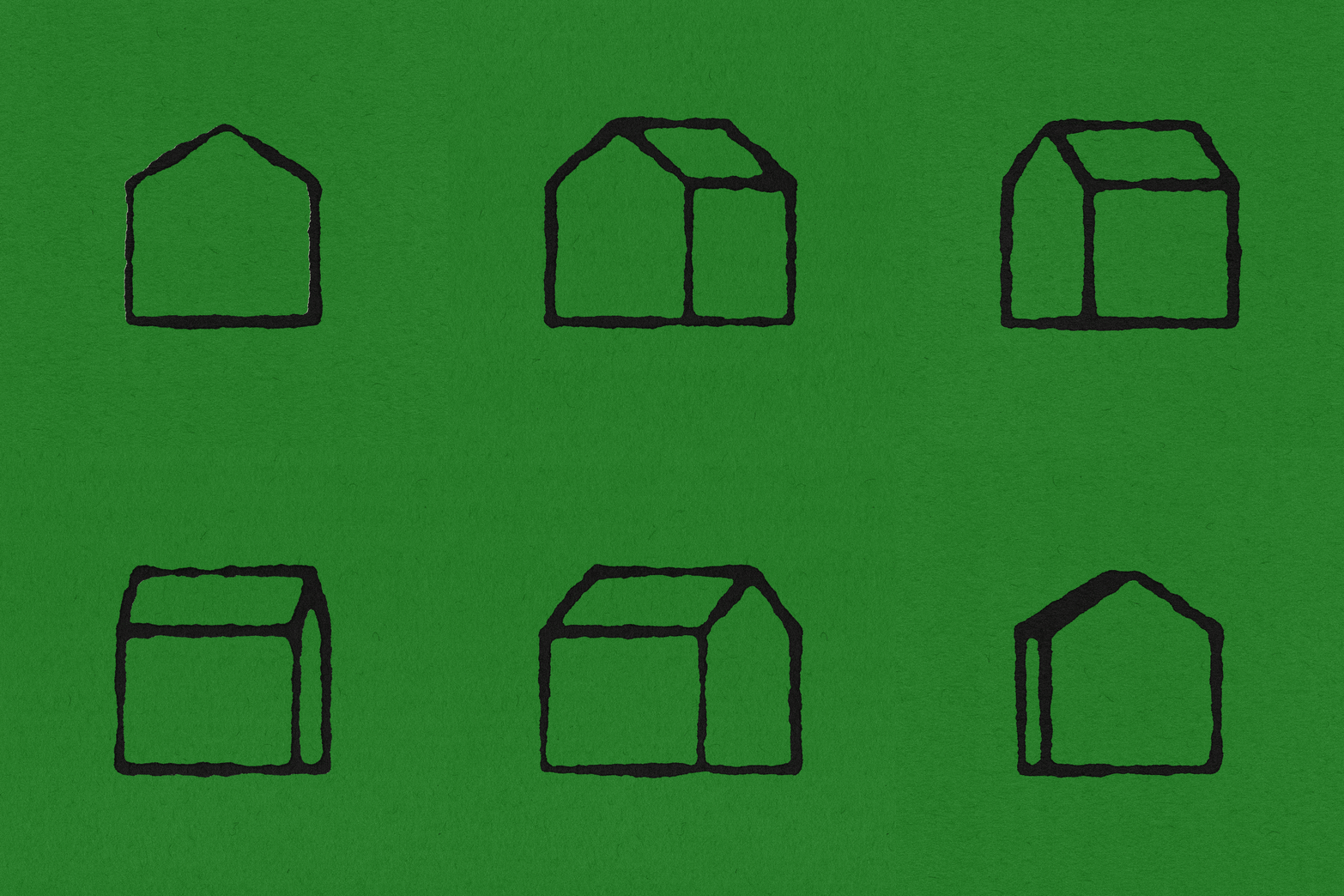
This combination of effects brings our software imitations of printed texture to a new realm; One where the viewer might start to question what is tangible and what is purely digital. So how do we push it further?
Fully Printed House
I’m so glad you asked, we PRINT IT FOR REAL. If you’ve followed me at all, you know I do this a lot now. It’s a unique process that brings me away from the computer while creating a dialogue between real world and digital tools.
So how do we do this?
First, I changed the colors a bit making our animation take on more texture and variation for the printer to deal with. We want to create conditions for the printer to surprise us, forcing a relinquishing control.
Here’s the loop before printing:
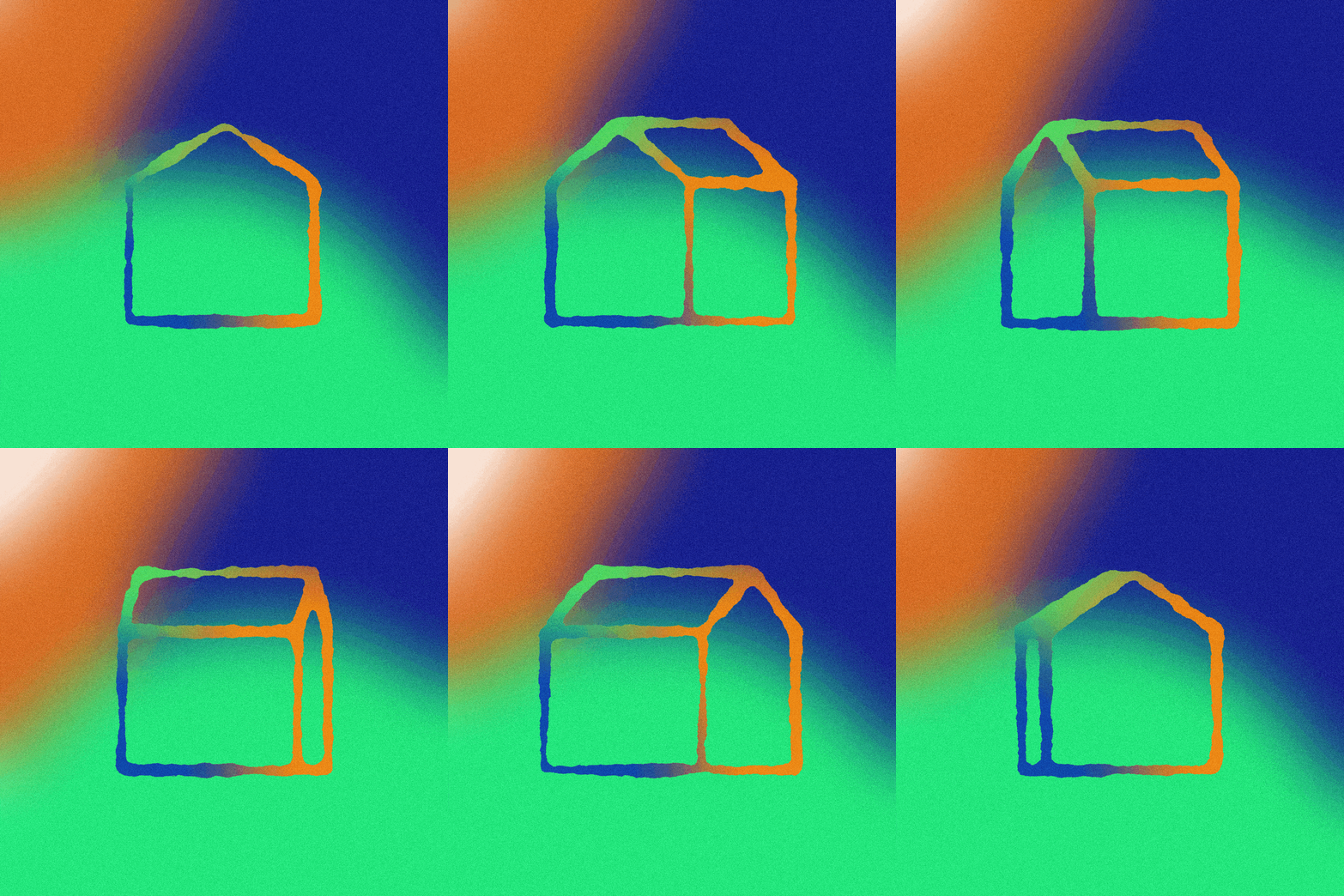
Here’s the loop scanned, color corrected, and re-sequenced in After Effects:
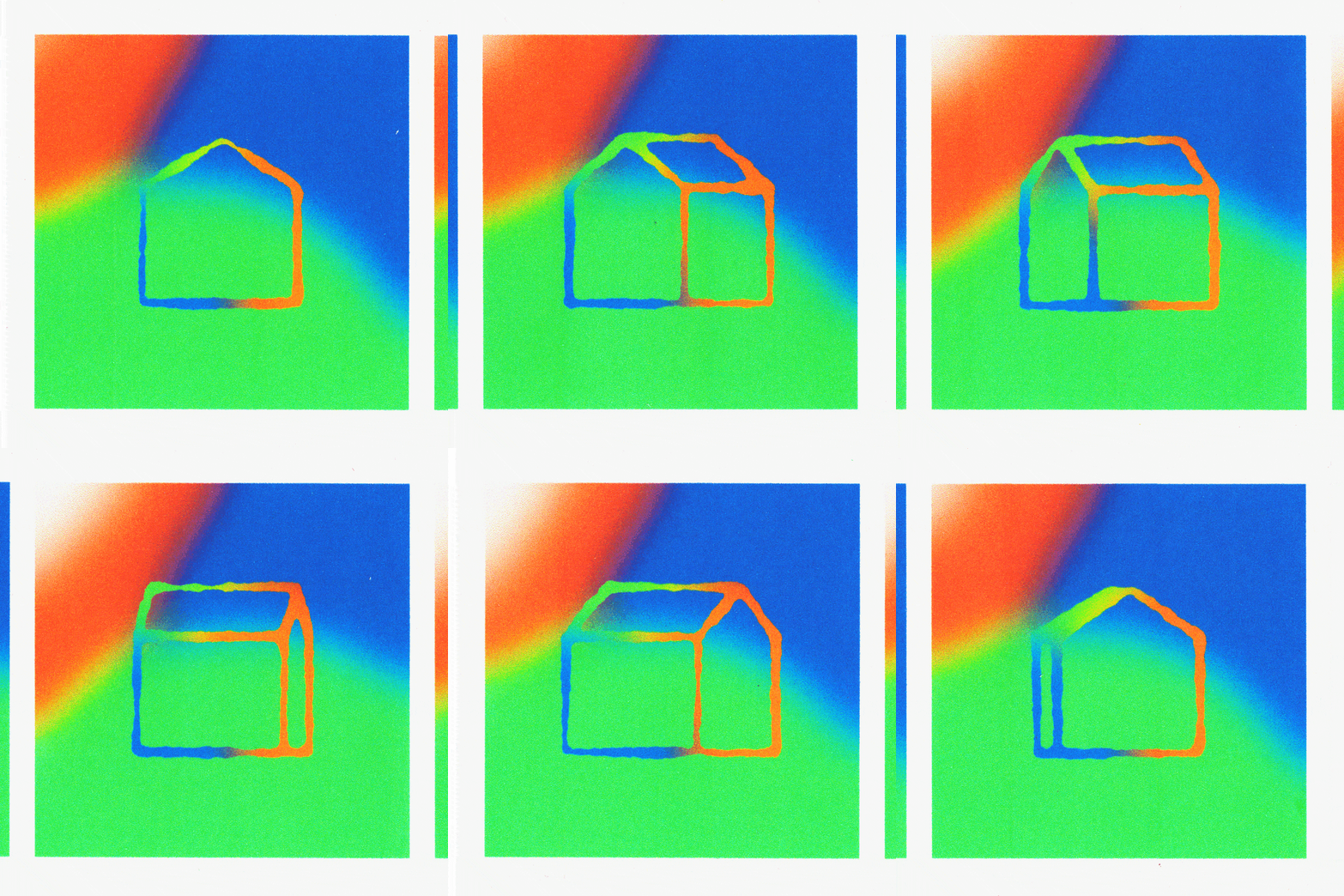
If you want to get more into the weeds, I’ve detailed this printing and animation process in posts like this one and this one.
A Professional Spin
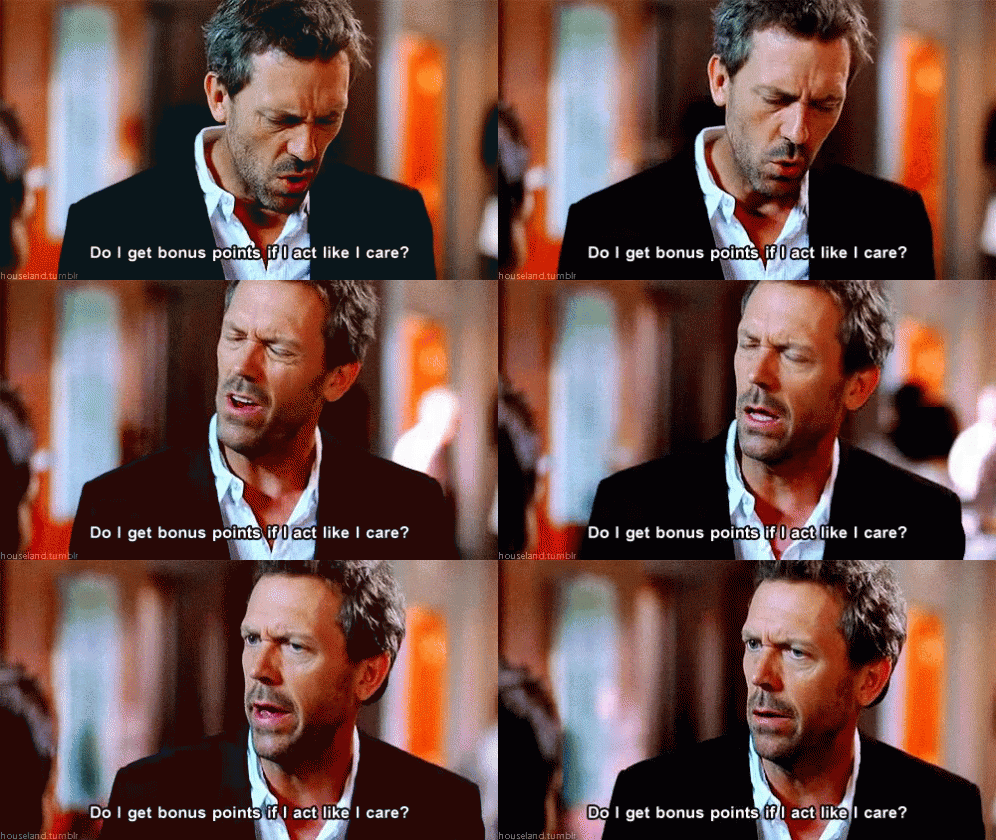
After getting into the weeds with the Gunner School students, I touched on bringing experimental processes into client projects. I’m still learning a lot about this as I work on more mixed media projects this year. If you have any questions about getting experimental on professional projects, feel free to leave a comment!
I’ll leave you with some aggressive hand-drawn (in Procreate, haha) title cards I made for the workshop, all in an attempt to keep the talk fun, organized, and to keep myself engaged!
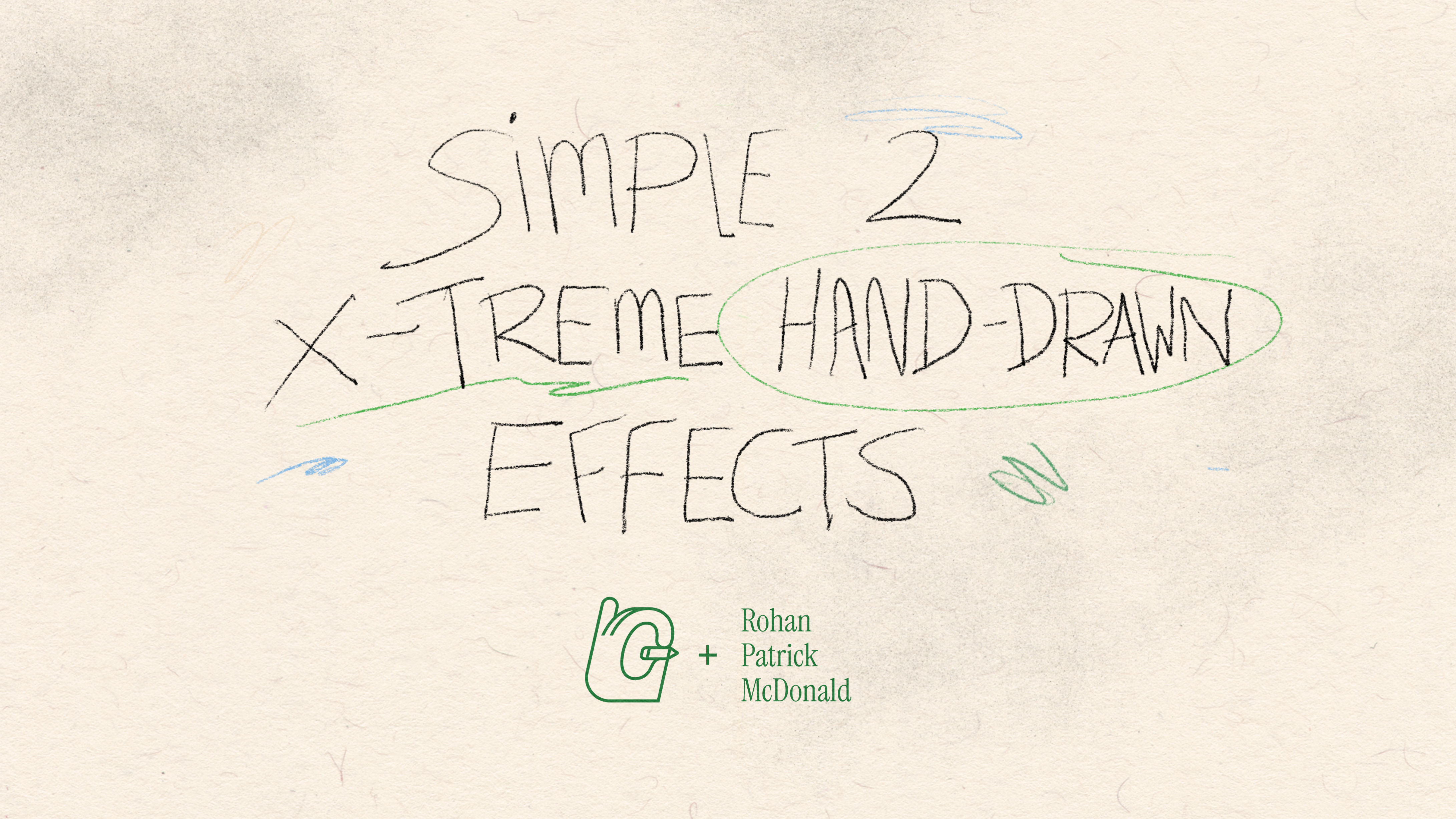
Thanks for reading! Until next time:
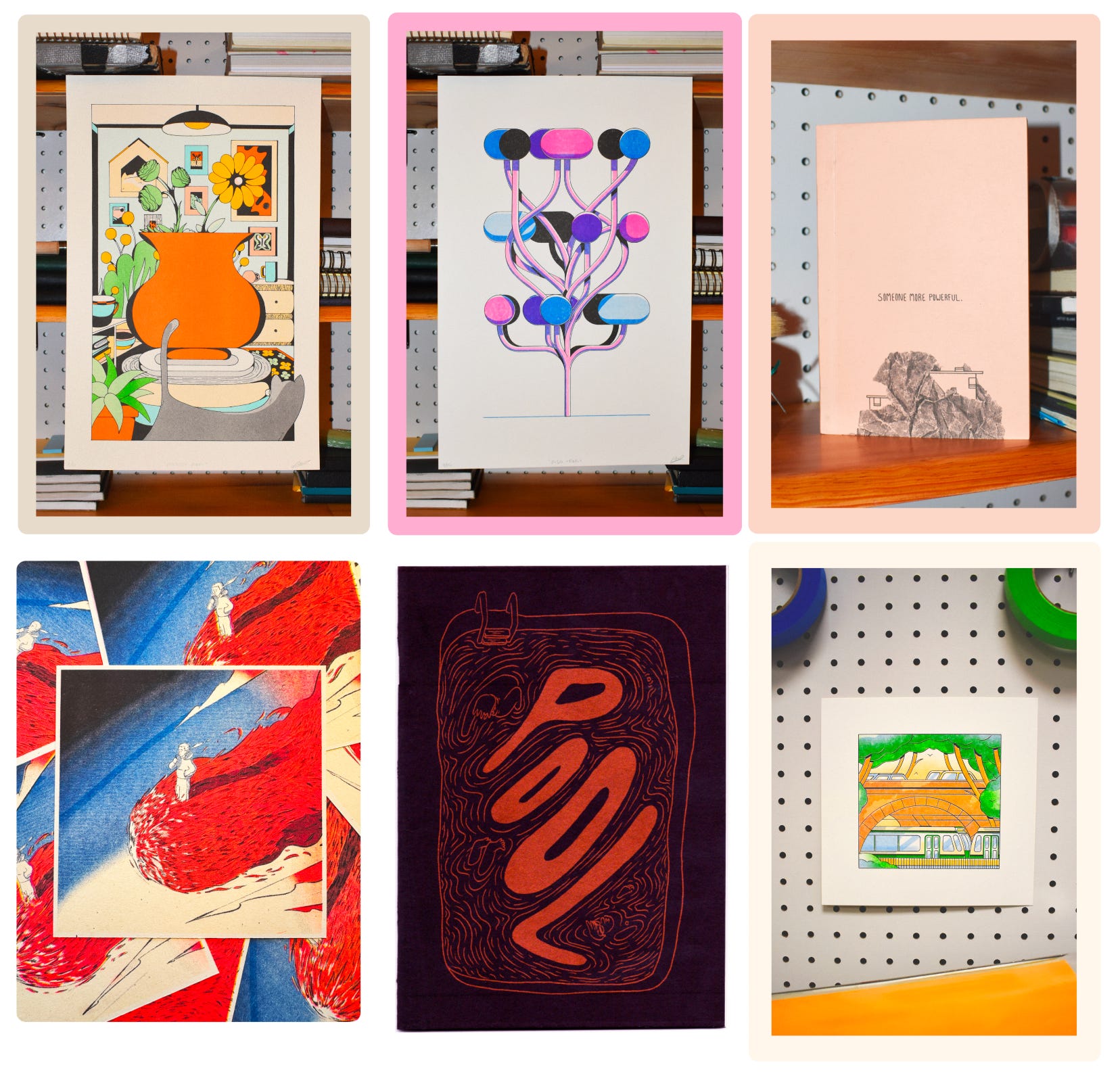
Prints + Books
If you’d like to support my work, or just want to get your risograph print collection going, I have some prints and books available in my shop! Paid subscribers also get access to a private shop full of originals and limited run prints, you only pay for shipping!
Your Obligatory Cat Photo
this one was really useful and fun (!) to read, thank you🙏
So great, dude! I always love to see your process :)